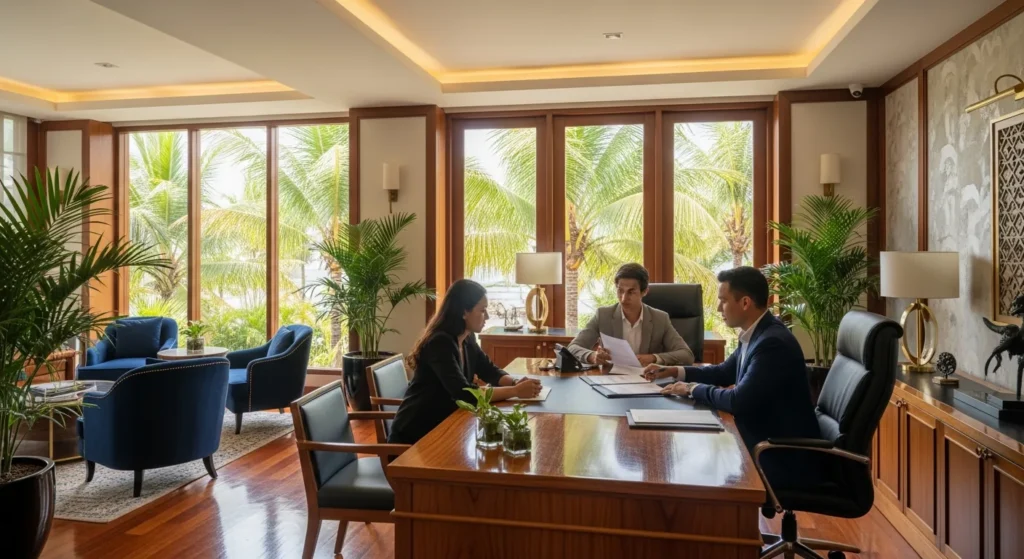
family 6 month uali stay school visa
Family 6-Month Bali Stay — School + Visa Imagine waking up to the gentle Balinese breeze, the scent of frangipani […]
Family 6-Month Bali Stay — School + Visa
Imagine waking up to the gentle Balinese breeze, the scent of frangipani in the air, and the distant sound of gamelan music. For many families, the dream of a slow-travel immersion in Bali for six months is a powerful one – a chance to deepen connections, explore a vibrant culture, and perhaps even redefine what ‘school’ looks like. But as appealing as this vision is, navigating the practicalities of visas and education for a truly enriching stay in Bali 6 months requires careful planning and up-to-date information. Forget the outdated guides; the landscape of Indonesian immigration is dynamic, and what worked last year might not apply today. We’re here to cut through the noise, offering clear, actionable insights for your family’s extended Balinese adventure.
The 2026 Reality: Navigating Bali’s Evolving Immigration Landscape
The vision of a six-month family sojourn in Bali is more attainable than ever, but it hinges on understanding Indonesia’s current immigration framework. As of our latest insights for 2026, the key distinction lies in your family’s intent: Are you merely “trying out” Bali for a few months without formal commitments, or do you seek a fully legal, longer-term integration, potentially involving formal schooling for your children? This initial decision will dictate your visa path.
For families aiming for a genuine stay in Bali 6 months, relying solely on an e-VOA (Electronic Visa on Arrival) and its single 30-day extension is simply insufficient. While convenient for short visits, this visa type maxes out at 60 days. Attempting repeated “visa runs” by leaving and re-entering Indonesia is increasingly scrutinized by authorities and is not a sustainable or recommended strategy for an extended family stay. As the Direktur Jenderal Imigrasi has emphasized in recent circulars, the focus is on visitors aligning their visa type with their actual length and purpose of stay.
Instead, the more appropriate route for a 180-day family stay without work is the B1 (Tourism) or B2 (Visit) Visit Visa. These are typically issued as e-visas before arrival and are designed for longer, non-work-related stays, perfect for families exploring Bali. While formal enrollment in international schools generally requires a Limited Stay Visa (KITAS) with proper sponsorship, the B1/B2 allows ample time for children to engage in informal learning, short-term courses, or explore homeschooling options, giving you a proper feel for life in places like Ubud, Canggu, or Sanur.
Key Insights from Our Practice: Expertise for Your Extended Stay
At Juara Holding, we’ve witnessed firsthand the aspirations and challenges of families planning their extended Bali stays. Just last month, we helped over 30 families navigate the intricacies of the Indonesian immigration system, securing their visas for stays ranging from three to six months. Our experience shows that the biggest hurdle often isn’t the regulations themselves, but understanding which visa truly aligns with a family’s unique needs, especially when schooling for children is a consideration.
One common misconception we encounter is the belief that any tourist visa can easily be converted or extended indefinitely. This is rarely the case, particularly for a six-month duration. We consistently advise families that for a genuine stay in Bali 6 months, the B1 or B2 Visit Visa (issued for up to 180 days) is the most viable and compliant option. This visa streamlines your entry and allows your family to immerse yourselves without the constant worry of impending visa runs. While these visas do not permit formal employment, they offer the freedom to explore Bali’s rich culture, engage in volunteer activities, or pursue personal projects.
When it comes to children’s education, it’s vital to set realistic expectations. While the B1/B2 Visit Visa supports informal learning environments – think creative workshops, sports academies, or even structured homeschooling groups common in areas like Canggu and Ubud – it does not facilitate formal enrollment in accredited international schools. For that, a KITAS is generally required, a path we guide families through when their long-term plans extend beyond six months and include formal education. We’ve seen families successfully blend their children’s learning with Balinese experiences, from surf lessons in Berawa to traditional dance classes in Denpasar, demonstrating that ‘school’ can indeed look different and be incredibly enriching during an extended stay.
Step-by-Step Practical Guide for Your Family’s Bali Adventure
Embarking on a six-month family stay in Bali requires a clear, step-by-step approach to ensure a smooth transition. Here’s our recommended guide, focusing on the most suitable visa for your extended immersion:
1. Define Your Purpose & Visa Choice:
First, be honest about your intentions. If your goal is a genuine six-month cultural immersion, exploration, and perhaps informal education for your children, without formal employment, the B1 (Tourism) or B2 (Visit) Visit Visa is your primary option. This e-visa is typically issued for up to 180 days and is applied for before your arrival in Indonesia. This is the bedrock of a legal and stress-free stay in Bali 6 months.
2. Gather Essential Documents:
For the B1/B2 e-visa, you’ll need passports valid for at least 12 months from your intended entry date, recent passport-sized photos, a confirmed return or onward flight ticket (proving your intent to leave Indonesia), bank statements showing sufficient funds (typically around USD 2,000 per person), and a clear itinerary or letter of intent. Each family member, including children, will require their own application.
3. Apply for Your E-Visa Online:
Access the official Indonesian immigration e-visa portal. This process is entirely online, and while straightforward, meticulous attention to detail is crucial. Any discrepancies can lead to delays or rejection. We advise starting this process at least 4-6 weeks before your planned departure, especially during peak seasons.
4. Plan for Children’s Education:
With a B1/B2 Visit Visa, formal enrollment in international schools is generally not possible. However, Bali offers a wealth of alternative learning environments. Consider homeschooling resources, joining expat homeschooling groups (prevalent in Ubud and Canggu), enrolling in short-term skill-based courses (e.g., coding, art, sustainability), or engaging local tutors for language or cultural lessons. Many families leverage this time for experiential learning, exploring Bali’s natural wonders and cultural sites as their classroom.
5. Secure Accommodation:
For a six-month stay, booking short-term rentals for the first few weeks and then finding a longer-term villa or house once you’re on the ground is often the most cost-effective and suitable approach. Areas like Canggu, Ubud, Sanur, and even quieter spots around Denpasar offer diverse living options catering to families, complete with amenities like pools and gardens.
Real Case Example: The Miller Family’s Bali Journey
Just last quarter, we assisted the Miller family – parents Sarah and Tom, with their two children, eight-year-old Lily and six-year-old Noah – in planning their six-month Bali sabbatical. Their primary goal was cultural immersion and a break from their busy urban lives in Europe, with an emphasis on “world-schooling” their children. Formal school enrollment was not their immediate priority, making them ideal candidates for the B1 Visit Visa.
We guided them through the B1 e-visa application process for all four family members, ensuring all documents, including their onward flight tickets and proof of funds, were meticulously prepared. The visas were approved within two weeks, granting them 180 days in Indonesia. Upon arrival, they settled into a charming villa in Ubud. Lily and Noah spent their mornings engaged in online learning modules, supplemented by afternoon Balinese dance classes and surf lessons near Canggu on weekends. They explored rice paddies, learned about local crafts, and even volunteered for a beach clean-up, truly embodying the spirit of experiential learning.
Sarah and Tom often remarked on the peace of mind knowing their entire family was legally compliant for their full six-month stay in Bali 6 months, without the stress of visa runs. Their experience underscores that with the right visa and clear expectations about schooling, an extended family adventure in Bali is not just a dream, but a beautiful reality. As Kepala Kantor Imigrasi Denpasar often reiterates, visitors who respect and adhere to immigration regulations ensure a pleasant and uninterrupted stay.
What’s Next & How to Get Help
Planning a family six-month stay in Bali is an exciting endeavor, and ensuring you have the correct visa is the foundational step for a truly memorable and stress-free experience. While the information above provides a comprehensive overview, individual family situations can vary, and immigration regulations are subject to updates. Don’t leave your family’s Balinese dream to chance.
At Juara Holding, we specialize in simplifying this process, providing tailored advice and hands-on assistance for families seeking extended stays in Indonesia. We’re here to answer your specific questions, guide you through the e-visa application, and ensure your family’s compliance every step of the way. Let us handle the complexities so you can focus on creating unforgettable memories in Bali.
Ready to turn your Bali dream into a reality? Reach out to us today for a personalized consultation:
- WhatsApp: https://wa.me/6281139414563
- Email: [email protected]
By Juara Holding Visa Team