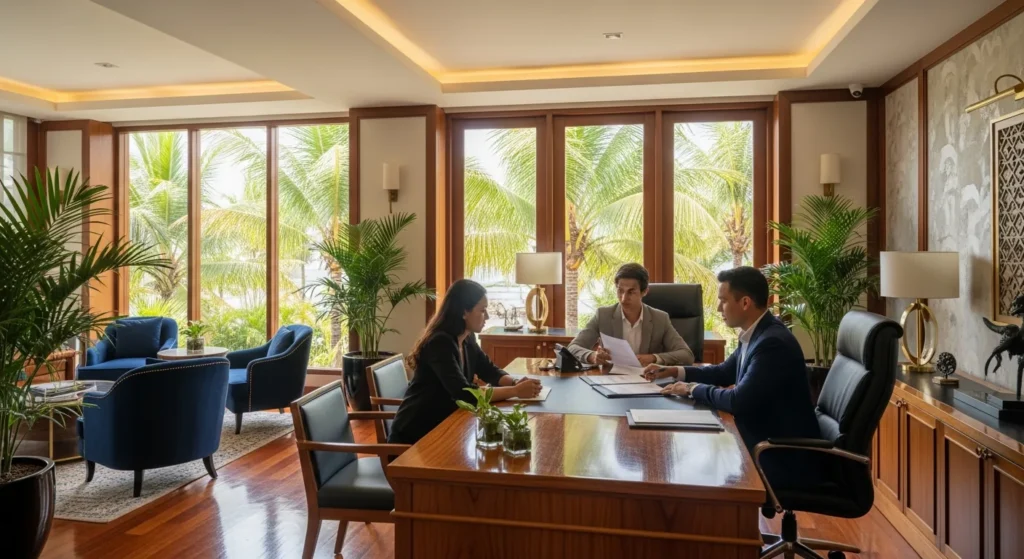
working remotely 6 months uali visa strategy
Working Remotely 6 Months Bali — Visa Strategy The allure of Bali is undeniable. Imagine six months immersed in its […]
Working Remotely 6 Months Bali — Visa Strategy
The allure of Bali is undeniable. Imagine six months immersed in its vibrant culture, lush landscapes, and tranquil rhythms, all while maintaining your professional life. The dream of a stay in Bali 6 months, blending productivity with paradise, is more attainable than ever. However, navigating the intricate world of Indonesian immigration for such an extended period, especially when remote work is involved, requires careful planning and a clear understanding of the rules. At Juara Holding, we’ve guided countless individuals through this journey, ensuring their Bali experience is as seamless and compliant as it is memorable.
The 2026 Reality
As we look towards 2026, the landscape for remote workers in Bali continues to evolve, emphasizing a crucial distinction: separating your presence in Indonesia from your employment activities. Current guidance from sources in the travel and relocation space is unequivocal: a tourist visa or e-VOA is intended strictly for tourism and visitor activities, and you absolutely should not work or earn local income on such a visa. [3][2] This means that the popular image of ‘digital nomads’ working on a tourist visa is, in fact, not legally compliant for a significant stay in Bali.
Indonesia’s immigration authorities, including the Direktur Jenderal Imigrasi, are increasingly clear about the need for proper permits for any form of work, even if your employer is based overseas. Our experience at Juara Holding consistently shows that trying to circumvent these regulations can lead to unnecessary stress, fines, or even deportation. For those dreaming of a long-term remote work stay, particularly for a solid stay in Bali 6 months, understanding and adhering to these updated regulations is paramount for a peaceful and uninterrupted experience.
Key Insights from Our Practice
At Juara Holding, we’ve witnessed firsthand the challenges and triumphs of individuals seeking an extended stay in Bali. Our practice has revealed two primary pathways for a 6-month sojourn, each with distinct implications for remote work. The first involves a pure visitor visa route, such as the B211A, which can be extended to allow for up to 180 days in Indonesia [1]. This is an excellent option for those whose primary purpose is leisure, cultural immersion, or simply taking a sabbatical without engaging in any work activities while on Indonesian soil. We often advise clients choosing this path to fully disconnect from their professional obligations to ensure full compliance.
However, for those whose primary goal is to legally work remotely while enjoying the Balinese lifestyle, the B211A, despite its extension capabilities, is not sufficient. As the Kepala Kantor Imigrasi Denpasar and other officials have reiterated, a tourist visa is not a work permit. This is where the E33G Remote Worker KITAS becomes the indispensable solution. We’ve helped numerous clients navigate the intricacies of this visa, which is specifically designed for remote workers earning foreign-sourced income, with an income threshold around USD 60,000 per year [5][1]. This KITAS grants a full year of legal remote work, offering unparalleled peace of mind and allowing you to truly integrate into communities like Canggu, Ubud, or Sanur without legal worries.
Step-by-Step Practical Guide
To ensure your stay in Bali 6 months is compliant and enjoyable, here’s our practical guide, tailored to your specific intentions:
Scenario 1: Living in Bali for 6 Months (No Work While in Indonesia)
If your aim is purely to live and experience Bali without engaging in any work-related activities during your stay, the visitor visa path is your route. The most common and effective option is the B211A Visitor Visa. This visa typically grants an initial 60-day stay and can be extended twice, each for an additional 60 days, allowing for a total stay of up to 180 days (approximately 6 months) [1].
- Application: This visa is applied for offshore, usually through an immigration sponsor in Indonesia.
- Extensions: Each extension requires a visit to the local immigration office (e.g., in Denpasar) and submitting the necessary paperwork. We handle this process seamlessly for our clients.
- Crucial Note: While on this visa, you must not perform any work, paid or unpaid, for an Indonesian or foreign entity while physically present in Indonesia. This means no client calls, no project management, and no earning local income.
- Further Reading: For a comprehensive overview of this visa type, visit our page on What is a Stay Visa?
Scenario 2: Legally Working Remotely While Living in Bali for 6 Months
For those who need to maintain their professional life while enjoying Bali, the E33G Remote Worker KITAS is the definitive answer. This visa is specifically designed for individuals employed by companies outside Indonesia, earning foreign income.
- Eligibility: You must be earning at least USD 60,000 per year from a foreign employer [5][1]. This demonstrates financial self-sufficiency without impacting the local job market.
- Duration: The E33G KITAS grants a full year of legal remote work in Indonesia, providing ample time for your stay in Bali 6 months and beyond.
- Benefits: Beyond legality, this KITAS offers benefits like opening a local bank account and a more stable long-term presence.
- Application Process: This is a more involved application, requiring a range of documents including proof of employment, income, and a clean criminal record. We specialize in streamlining this process. You can find detailed requirements for the E33G KITAS here.
- Costs: Understanding the financial commitment is important. Explore our breakdown of visa costs and fees for both options.
For official information, you can always refer to the Directorate General of Immigration website.
Real Case Example
Just last month, we assisted Anya, a graphic designer from Canada, who envisioned a 6-month creative sabbatical in Ubud. Initially, Anya considered entering on a tourist visa, thinking she could discreetly continue her freelance work for North American clients. However, after a consultation with us, she quickly understood the risks. We explained that even passive remote work, if discovered, could lead to complications with immigration officials. Anya decided she wanted absolute peace of mind for her extended stay.
Given her consistent foreign income well above the threshold, we guided her through the E33G Remote Worker KITAS application process. While it required more upfront documentation, the outcome was invaluable. Anya secured her one-year KITAS, allowing her to legally set up her workspace overlooking rice paddies, collaborate with clients via video calls, and truly immerse herself in the local artisan community without a shadow of doubt. She’s now comfortably settled, enjoying the vibrant markets of Denpasar and the serene beaches near Sanur, all while maintaining her professional commitments legally and ethically.
What’s Next & How to Get Help
Embarking on a stay in Bali 6 months is an adventure that promises enrichment and transformation. Whether your intention is pure leisure or a blend of work and island life, choosing the correct visa strategy from the outset is the cornerstone of a successful and stress-free experience. The regulations for 2026 are clear: separate your stay from your work, and secure the appropriate permit for each.
Don’t leave your Bali dream to chance. At Juara Holding, we are your trusted partners in navigating Indonesia’s immigration landscape. We offer personalized consultations to assess your unique situation and guide you towards the most suitable and compliant visa pathway. Let us handle the complexities, so you can focus on planning your perfect Balinese adventure.
Ready to make your 6-month Bali dream a legal reality? Reach out to us today:
WhatsApp: https://wa.me/6281139414563
Email: [email protected]
By Juara Holding Visa Team